
The H-Bomb Decision and Its Opponents
American PrometheusThis thread traces the struggle over the hydrogen bomb, from technical debate to the decision that placed thermonuclear weapons at the heart of American defense.
increasing Bearing strength in each event
 decreasing
Bearing strength in each eventdecreasingThe Super Returns
The Super Returns
A new urgency
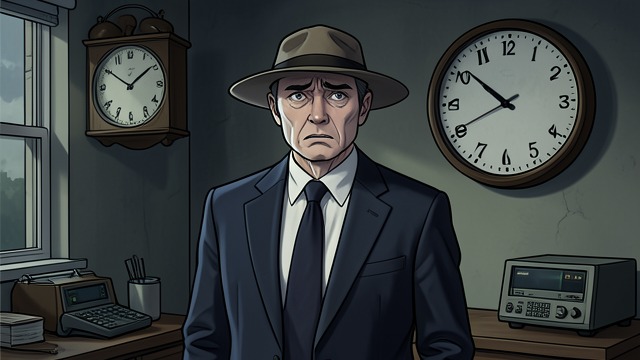
The Soviet bomb ended the American atomic monopoly and reignited calls for a thermonuclear weapon. Edward Teller and Ernest Lawrence argued that the United States had to move quickly.
An unsettled question
Oppenheimer worried that urgency was replacing strategic analysis. He believed that a larger arsenal could make the country less safe rather than more secure.
The General Advisory Committee’s Review
The General Advisory Committee’s Review
A full debate
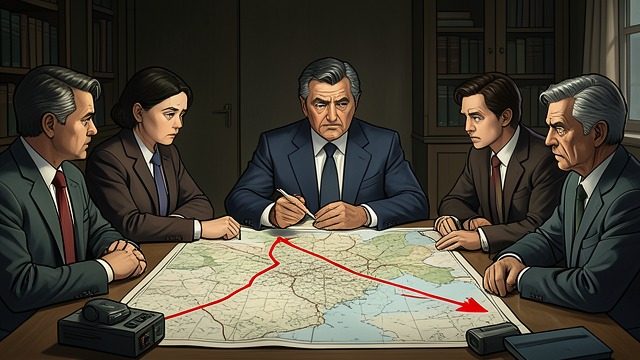
Oppenheimer chaired a review with scientists and policy experts. The committee considered technical feasibility, likely Soviet response, military value, and the consequences of using a far larger weapon.
A majority recommendation
The majority opposed a crash program and warned that a Super could become a weapon of genocide. They urged consideration of a test moratorium and alternative defenses.
A Decision Made Quickly
A Decision Made Quickly
The president’s choice
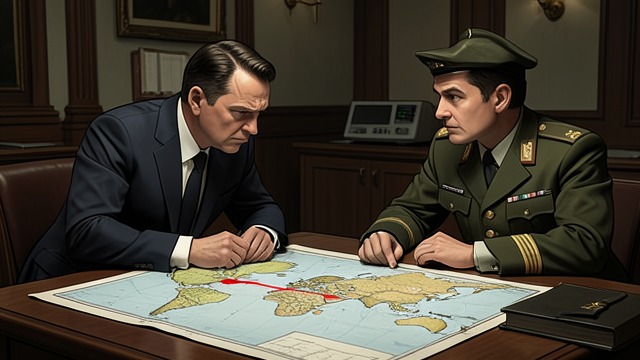
Truman asked whether the Soviet Union could build a thermonuclear weapon. Once told that it could, he approved development.
Debate contained
The decision was made without public deliberation and against the GAC’s advice. Oppenheimer and James Conant did not resign, believing they should continue to advise from within.
A Test Moratorium Proposal
A Test Moratorium Proposal
A final attempt
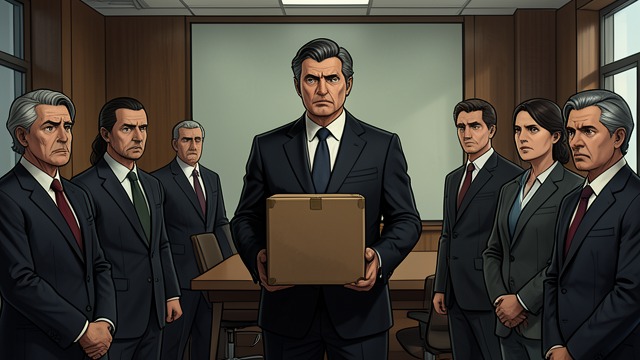
Oppenheimer’s State Department panel proposed a pause in thermonuclear testing. Without a test, they hoped, a reliable Super could not be developed and an arms-control opening might remain.
The proposal is rejected
Defense officials feared that a moratorium would weaken the United States. The Ivy Mike test proceeded, ending the possibility of stopping the H-bomb through a simple test ban.
Opposition Becomes a Security Charge
Opposition Becomes a Security Charge
Strategic dissent recast
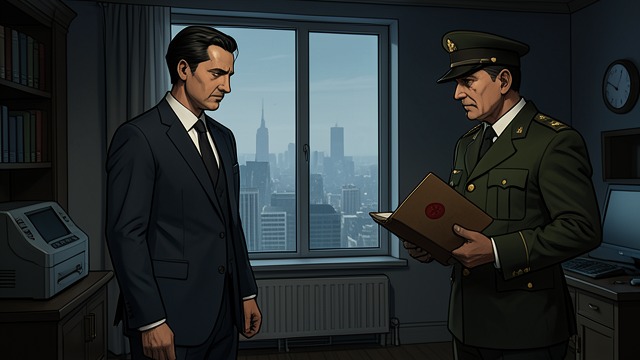
Oppenheimer’s role in opposing a crash H-bomb program became part of the case against him. Strauss and others presented disagreement as evidence of bad judgment and questionable loyalty.
A precedent for advisers
The result warned future scientific advisers that opposing a weapons program could threaten their access to government. Oppenheimer’s policy argument lost its place in official deliberation.
1949, after the Soviet atomic test
October 1949, in Washington
January 31, 1950, after the White House meeting
1952, before the Ivy Mike test
1953–1954, during the attack on Oppenheimer
